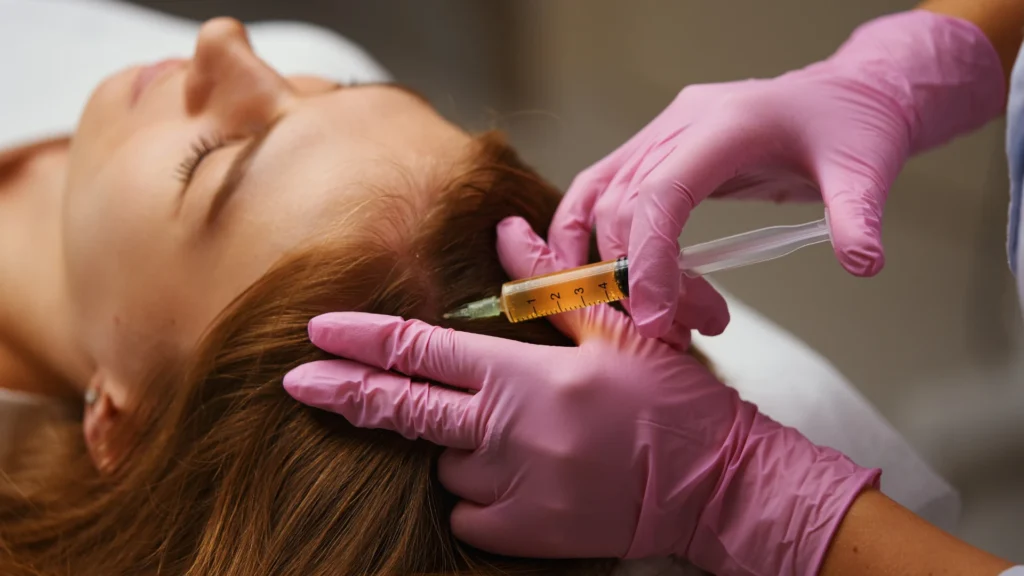
Best Recovery Tips for Faster Healing in calicut A successful hair transplant doesn’t end when the procedure is over the real transformation begins during the recovery phase. Proper aftercare is essential to ensure healthy graft survival, faster healing, and long-lasting results. At Criniere Dermis, Calicut’s trusted hair transplant clinic, we guide every patient with the right post-operative care to ensure they achieve natural, dense, and safe results. Recovery Tips for Faster Healing Here’s your complete aftercare guide to support a smooth recovery.
1. Follow Your Surgeon’s Instructions Strictly
Your surgeon will provide personalised aftercare guidelines based on your scalp condition, graft technique used, and overall health. Follow these instructions carefully to avoid complications and ensure graft survival.
2. Keep Your Scalp Clean and Protected
Avoid touching or scratching
Hair Transplant Healing Process New grafts are extremely delicate. Refrain from rubbing, scratching, or pressing the transplanted area.
Gentle washing
After a few days, wash your scalp using mild shampoo as instructed. Always pour water gently never directly under high pressure.
Avoid sun exposure
Direct sunlight can damage grafts. Wear a loose cap when stepping out.
3. Sleep in a Elevated Position
For the first 5–7 days, sleep with your head elevated. This helps reduce swelling and protects newly planted follicles.
4. Stay Away From Sweat & Strenuous Activity
Avoid gym workouts, running, swimming, or Hair Transplant Recovery Tips any heavy physical activity for 10–14 days. Sweat and excessive movement can disturb grafts and delay recovery.
5. Stay Hydrated & Eat Nutritious Foods
- Protein (eggs, fish, chicken, pulses)
- Vitamins (A, C, E)
- Biotin-rich foods (nuts, spinach, whole grains)
- helps the scalp heal faster and strengthens new hair growth.
6. Avoid Smoking & Alcohol
Nicotine and alcohol slow blood circulation, impacting graft survival. Hair Transplant Recovery Tips It’s recommended to avoid smoking and drinking for at least 2–3 weeks after the procedure.
7. Use Medications as Prescribed
Your surgeon may suggest antibiotics, anti-inflammatory medicines, or growth boosters like minoxidil after a certain period. Use them exactly as recommended for best results.
8. Expect Normal Side Effects
During the healing phase, you may notice:
- Mild swelling
- Itching
- Tiny scabs
- Temporary shedding of transplanted hair (shock loss)
These are common and temporary. New growth will start gradually within 3–4 months.
9. Avoid Helmets & Tight Headgear
For at least 3 weeks, avoid helmets or anything that may press against the scalp. Use only a loose-fitting cap when needed.
10. Attend All Follow-Up Visits
Regular follow-up sessions help your surgeon track your healing progress and guide you through each stage of hair regrowth.
Conclusion
Hair transplant aftercare plays a vital role in achieving natural and long-lasting results. By following these recovery tips and maintaining consistent follow-up care, you can ensure faster healing and healthy hair growth. At Criniere Dermis in Calicut, we focus not only on advanced hair transplant techniques but also on personalised post-care support to deliver the best outcome for every patient.